

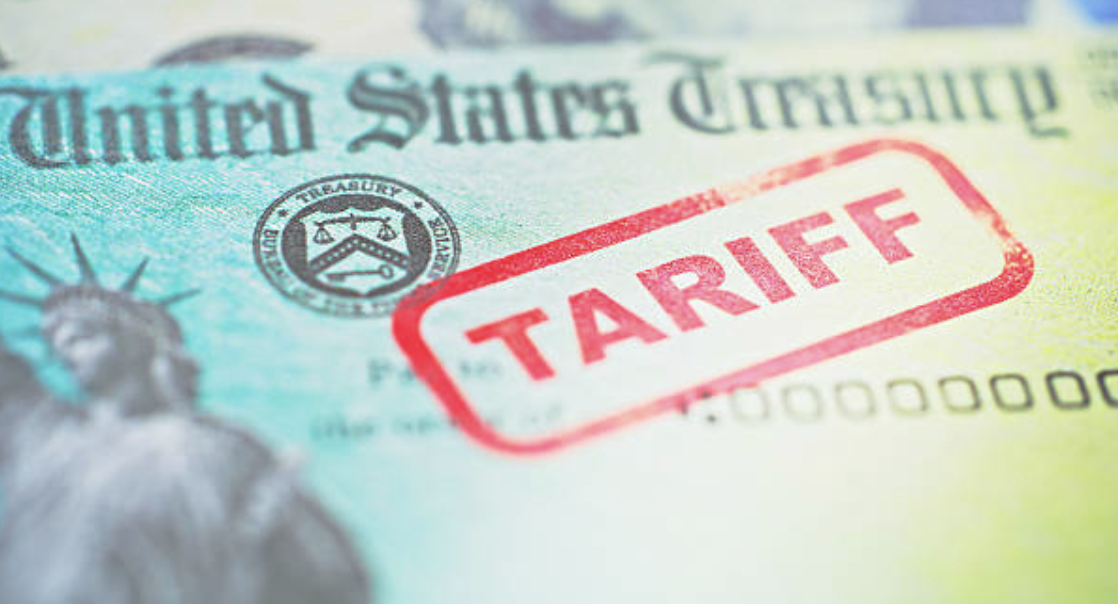
The Tariff Refund Portal Opens Monday.
On Monday, CBP opens the portal for refunds on the tariffs the Supreme Court struck down in February. The headline story will be about consumer checks and class-action suits. The structural story is about who actually gets the $127 billion, and what it does to corporate margins when it lands.

Is America Walking Japan's Path?
Japan is the cautionary tale economists reach for when they want to describe a wealthy nation that aged itself into irrelevance. Three lost decades. Deflation so persistent the central bank couldn't inflate its way out. Debt that climbed past 230% of GDP. A workforce that stopped growing before the economy figured out how to compensate.
The United States is not Japan. But the data increasingly shows it is walking the same hallway, just ten to fifteen years behind.

Blockading the Blockade
Iran shut the Strait of Hormuz. The U.S. responded with its own blockade. Now two parties are strangling the same waterway — and the world economy is caught between them.

Burry is Right about the Structure
Michael Burry's structural critique of Nvidia is sound. The purchase-obligation math, the Cisco parallel, the ROI gap — all of it tracks. But there's a meaningful difference between reading the cycle correctly and winning the bet you placed on it.

Priced for Peace, Built for War
Markets aren’t mispricing this conflict because they lack information — they’re mispricing it because they’re structurally wired to expect resolution.

Cathie Wood: The Canary in the Coal Mine
Cathie Wood isn't just an investor anymore. She's a cycle indicator — and her recent behavior maps cleanly to late-cycle distortion: doubling into weakness, extending price targets, and reframing structured betting as analytical sophistication. The $7.1 billion in shareholder value destruction is the documented cost…so far.

The Version of Scott Galloway We Want
Scott Galloway has every tool to matter. He’s using them to keep score.


The New Country Club Has a Pace Group
The modern country club isn’t exclusive - it’s intentional. You don’t get access by membership. You get access by showing up.
The Right Study with the Wrong Standard
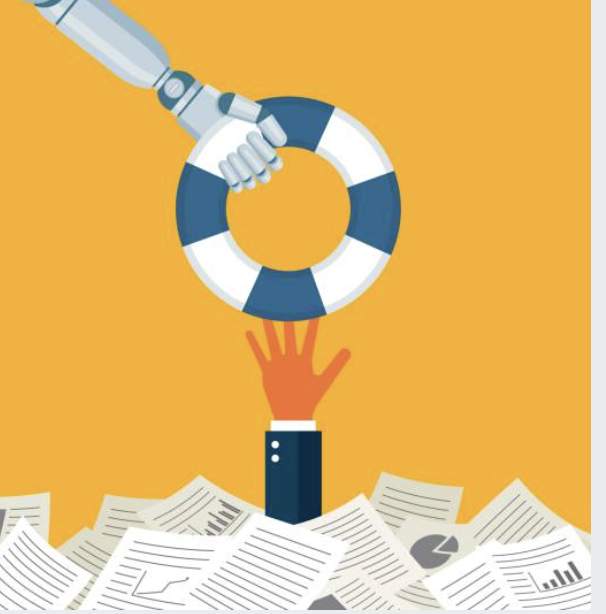
MIT's AI labor study is rigorous, well-sourced, and measures the wrong thing. The question was never whether AI is as good as a human. It's whether AI is good enough to make a human expensive.

The Most Cautious Optimist on Wall Street
The most cautious optimist on Wall Street isn't predicting a crash. He's building a fortress, stress-testing a 40% drawdown, and sitting on $40 billion he won't deploy — then writing about the American Dream.

The Hundred-Year Mistake
Henry Ford knew workers and consumers were the same people. Jack Welch forgot. We're living in the aftermath.

The $900 Million Employee
The internet celebrated a two-person, $1.8 billion company. They focused on the founder. The real story is what happens to the 500 people who never got hired — and what it means when this model replicates across every industry simultaneously.
LLMs: We're Still Asking the Wrong Question
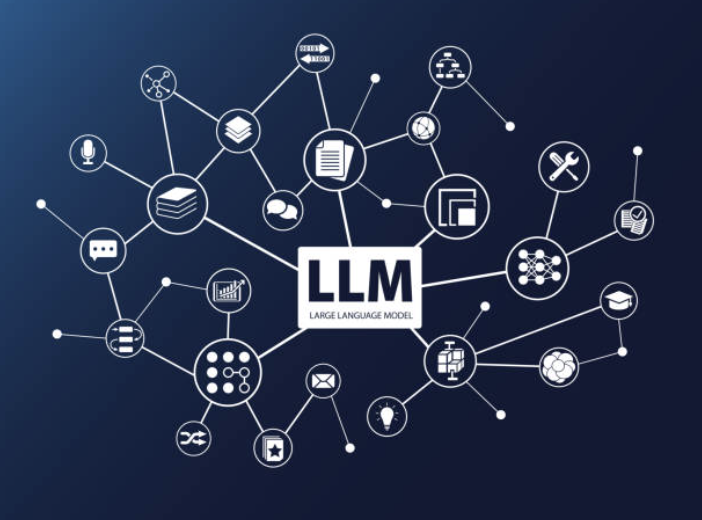
IQ tests measure one thing: how a human mind performs relative to other human minds. Applying them to an LLM is a category error. The more useful question isn't how smart it is. It's what it does to yours.

You’ll Own Nothing and Call a Waymo
The ownership-optional future that Davos theorized is being built in Mountain View, California — not by European bureaucrats, but by a $126 billion Alphabet subsidiary called Waymo. This piece examines what Waymo actually solves, who bears the cost, and why a robotaxi blocking an Austin ambulance tells you more about the technology’s readiness than any venture capital pitch deck.

Alcatraz and the Moon
One budget cuts the agency that built GPS, weather satellites, and the materials science behind half the devices you own. The other reopens Alcatraz.
The $18/Hour Tell
Scammers don’t run ideology. They run optimization. When the winning pitch shifts from fantasy wealth to modest stability, that shift is signal — not comedy.

The Future of Work Is a Capital Problem
UBI doesn’t redistribute wealth — it reroutes it.
In a corporate-dominated economy, new money doesn’t stay with consumers. It flows through them — and ends up with shareholders.